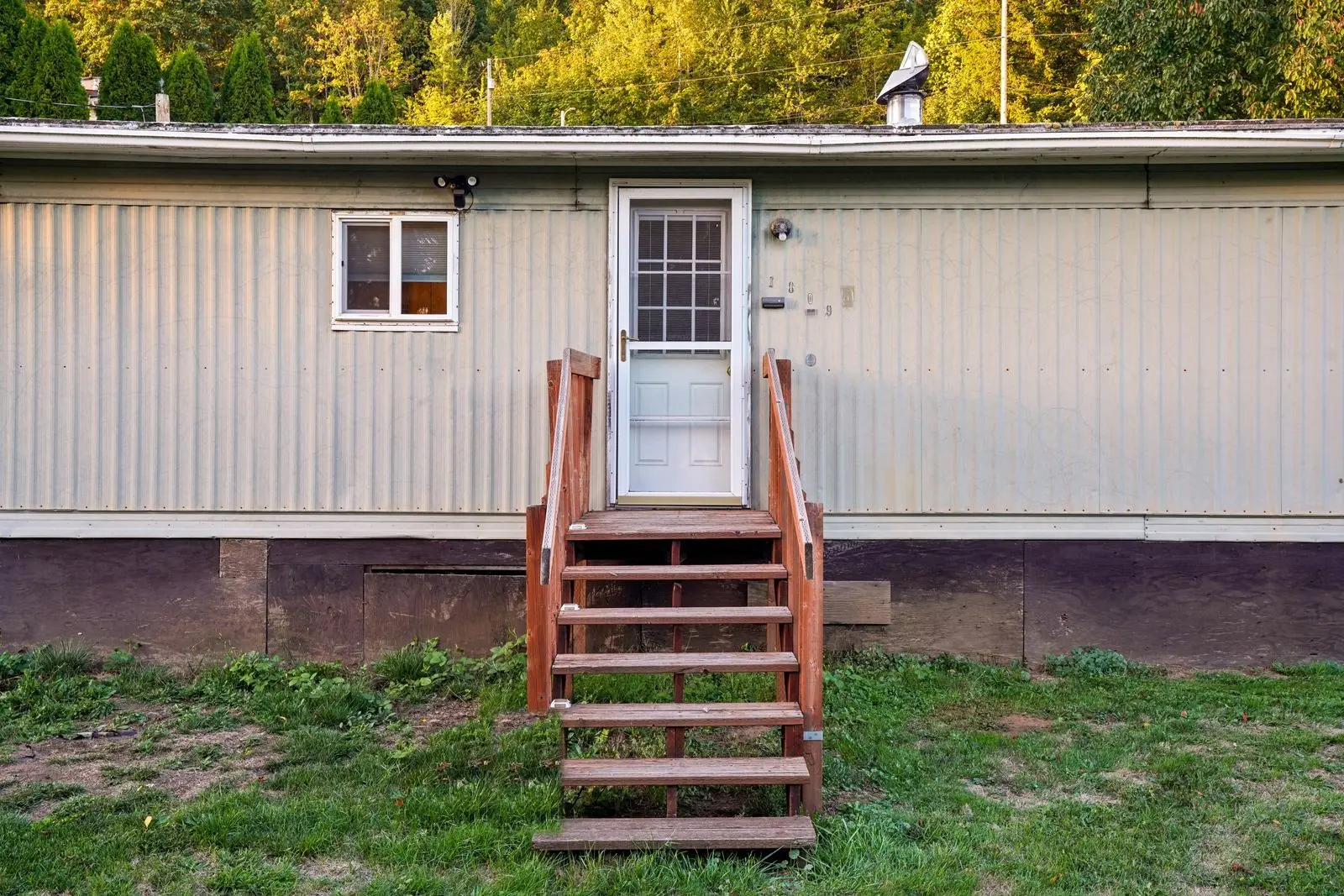
A real home. Real financing. Zero runaround.
Most lenders hear "manufactured home" and either say no or steer you toward a chattel loan with a double-digit rate. If the home meets the right criteria, it doesn't have to work that way.
What most people get wrong about manufactured homes.
The manufactured housing industry has changed. The financing has too. But most of the internet advice is still stuck in 2005.
"You can only get a chattel loan for a manufactured home."
If the home is on a permanent foundation and titled as real property, conventional, FHA, and VA financing are all available. Same 30-year fixed rates as site-built homes.
"Manufactured homes don't appreciate."
Manufactured homes on owned land with permanent foundations appreciate similarly to site-built homes in the same market. The land and foundation are what drive equity, not the construction method.
"Manufactured and mobile homes are the same thing."
Manufactured homes built after June 15, 1976 are built to the HUD Code, a federal construction standard. Anything before that date is classified as a "mobile home" and is not eligible for most mortgage programs.
Does your manufactured home qualify?
Not every manufactured home is financeable. Here's the checklist. If every box is checked, you have real mortgage options.
The Property
Must meet HUD Code standards. Anything earlier is a "mobile home" and isn't eligible.
Hitch, wheels, and axles removed. Anchoring compliant with manufacturer specs. Engineer's cert required (conventional existing homes may use appraisal instead).
Not personal property. Certificate of title must be surrendered and the home recorded with the deed to the land.
Must have gone from manufacturer/dealer lot directly to current site as new. VA is the only program that allows a previously moved unit.
Conventional: 600 sq ft, 12 ft wide. FHA/USDA: 400 sq ft. VA: 400 sq ft single / 700 sq ft double.
The Documentation
Paper document inside a cabinet, pantry, or electrical box. If missing, an IBTS verification report is required.
Metal plate on the exterior of each section. Double-wides have two. Missing labels require an IBTS report per label.
Confirms foundation meets HUD and local codes. On conventional existing homes without structural mods, the appraisal may substitute.
The Borrower
All programs require it. Investment properties and second homes are not eligible for manufactured home financing.
Existing USDA purchases must have a manufacture date within 20 years of closing. New USDA purchases must be within 12 months. No other program has this restriction.
Which loan program works for manufactured homes?
Four programs finance manufactured homes. The property rules, not your credit, usually decide which one fits.
Zero down payment, competitive rates, and full 30-year terms. But USDA also has the tightest property rules for manufactured homes, especially the 20-year age cap on existing homes. Check if your area is USDA-eligible. If the home qualifies, it's hard to beat. If it doesn't, FHA and conventional are the fallback.
Chattel loan vs. real mortgage, on the same home.
Here's what financing a $250,000 manufactured home looks like with a chattel loan vs. a conventional mortgage. Same home. Same buyer. A very different deal.
Titling the home as real property opens up a 30-year mortgage: $557 less a month and $12,500 less down than the chattel loan.
Chattel Loan
Conventional Mortgage
The chattel loan costs more every single month and needs double the down payment. To be straight with you: stretched over 30 years, the mortgage pays more total interest than a 20-year chattel loan. But you keep $557 a month and $12,500 of cash, and nothing stops you from paying extra toward principal to close that gap on your own schedule.
When a real mortgage works, and when it won't.
The home decides most of this before your credit does. Run through both lists before you fall in love with a listing.
A real mortgage works if
- The home was built on or after June 15, 1976, to the HUD Code.
- It sits on a permanent foundation with the hitch, wheels and axles removed.
- It's titled and taxed as real property, recorded with the deed to the land.
- It went straight from the dealer to its current site and was never moved.
- It's your primary residence.
It won't work if
- The home was built before June 15, 1976. That makes it a mobile home.
- It was moved from another site and you're not eligible for VA, the one program that allows it.
- It's a second home or an investment property.
- It sits on a rented lot and FHA is off the table. FHA is the only program here that allows a land lease, with conditions.
- The title can't be converted from personal property before closing.
The things that trip up manufactured home buyers.
Foundation certification gaps
The home might be on a permanent foundation, but if there's no engineer's certification to prove it, the lender can't verify compliance. Get the foundation inspection done early. One exception: on conventional existing homes without structural modifications, the appraisal can sometimes substitute for the engineer's cert.
Missing HUD labels or data plates
Without the HUD certification label (exterior metal tag) and data plate (interior), you'll need to order a label verification letter from the Institute for Building Technology and Safety (IBTS). This can take weeks.
Title still shows personal property
If the home is still titled as personal property (like a vehicle) instead of real estate, the loan can't close. The title conversion process varies by state and can take 30+ days in some jurisdictions.
USDA's 20-year age cap
USDA requires existing manufactured home purchases to have a manufacture date within 20 years of closing. A home that turns 20 before your closing date is out. New USDA purchases must be within 12 months of the manufacture date. If USDA was the plan and the home is too old, FHA or conventional become the fallback.
Appraisal comparables
Appraisers sometimes struggle to find comparable sales for manufactured homes, especially if the area has mostly site-built inventory. A low appraisal can derail the deal. I work with appraisers who know this property type.
Previously moved homes
If the manufactured home was ever installed at another location before its current site, conventional, FHA, and USDA financing are all off the table. VA is the only program that permits a previously moved unit. This kills more deals than people expect.
Manufactured home? Let me show you the real financing options.
Bring me the listing, the HUD tags, the foundation details. I'll tell you which programs work, what the rate looks like, and how the numbers compare to whatever you've been quoted elsewhere.